%20--%3e%3csvg%20version='1.1'%20id='Layer_1'%20xmlns='http://www.w3.org/2000/svg'%20xmlns:xlink='http://www.w3.org/1999/xlink'%20x='0px'%20y='0px'%20viewBox='0%200%201440%20384.8'%20style='enable-background:new%200%200%201440%20384.8;'%20xml:space='preserve'%3e%3cstyle%20type='text/css'%3e%20.st0{fill:%23010101;}%20%3c/style%3e%3cg%3e%3cpath%20class='st0'%20d='M156.5,162.6c0,32.3-14.1,52.7-42.3,61.1l51.3,71.2h-42.1L76.6,229H33.1v65.9H0v-196h72.9%20c29.9,0,51.3,5,64.2,15.1C150,124.2,156.5,140.3,156.5,162.6z%20M112.5,190.3c6.7-5.8,10.1-15.1,10.1-27.9c0-12.8-3.5-21.6-10.4-26.4%20c-6.9-4.8-19.3-7.2-37-7.2H33.1V199h41.2C93,199,105.7,196.1,112.5,190.3z'/%3e%3cpath%20class='st0'%20d='M407.1,124.7c-9.6,0-17.5,2-23.7,5.9c-6.2,3.9-9.3,9.9-9.3,17.8c0,7.9,3.1,14,9.3,18.2%20c6.2,4.2,19.3,8.7,39.4,13.6c20.1,4.9,35.2,11.7,45.4,20.5c10.2,8.8,15.3,21.7,15.3,38.8c0,17.1-6.5,31-19.3,41.6%20c-12.9,10.7-29.8,16-50.8,16c-30.7,0-57.9-10.6-81.6-31.7l20.8-25c19.8,17.2,40.4,25.8,61.7,25.8c10.7,0,19.1-2.3,25.4-6.9%20c6.3-4.6,9.4-10.7,9.4-18.2c0-7.6-2.9-13.5-8.8-17.7c-5.9-4.2-16-8-30.4-11.5c-14.4-3.5-25.3-6.6-32.8-9.5%20c-7.5-2.9-14.1-6.7-19.9-11.4c-11.6-8.8-17.4-22.2-17.4-40.4s6.6-32.1,19.8-41.9c13.2-9.8,29.5-14.7,48.9-14.7%20c12.5,0,25,2.1,37.3,6.2c12.3,4.1,23,9.9,32,17.4l-17.7,25c-5.8-5.2-13.7-9.5-23.6-12.9C426.5,126.4,416.7,124.7,407.1,124.7z'/%3e%3cpath%20class='st0'%20d='M690.2,98.9V130H585.6v51.9h93.9v29.4h-93.9v52.4h108v31.1H552.5v-196H690.2z'/%3e%3cg%3e%3cpath%20class='st0'%20d='M868.7,250.3l-19.6,44.6h-35.3l86.4-196h35.3l86.4,196h-35.3l-19.6-44.6H868.7z%20M953.4,219.8L917.8,139%20l-35.6,80.8H953.4z'/%3e%3cpath%20class='st0'%20d='M1233.6,162.6c0,32.3-14.1,52.7-42.3,61.1l51.3,71.2h-42.1l-46.8-65.9h-43.5v65.9h-33.1v-196h72.9%20c29.9,0,51.3,5,64.2,15.1C1227.1,124.2,1233.6,140.3,1233.6,162.6z%20M1189.6,190.3c6.7-5.8,10.1-15.1,10.1-27.9%20c0-12.8-3.5-21.6-10.4-26.4c-6.9-4.8-19.3-7.2-37-7.2h-42.1V199h41.2C1170.1,199,1182.8,196.1,1189.6,190.3z'/%3e%3cpath%20class='st0'%20d='M1380.5,129.2v165.7h-33.1V129.2H1288V98.9h152v30.3H1380.5z'/%3e%3c/g%3e%3cg%3e%3crect%20x='234.9'%20y='0'%20class='st0'%20width='29.1'%20height='384.8'/%3e%3c/g%3e%3c/g%3e%3c/svg%3e)
Considered Spaces by Jolie Studio | Rise Art
Considered Spaces
The value of art for curators, writers, designers, and collectors in their most meaningful spaces.
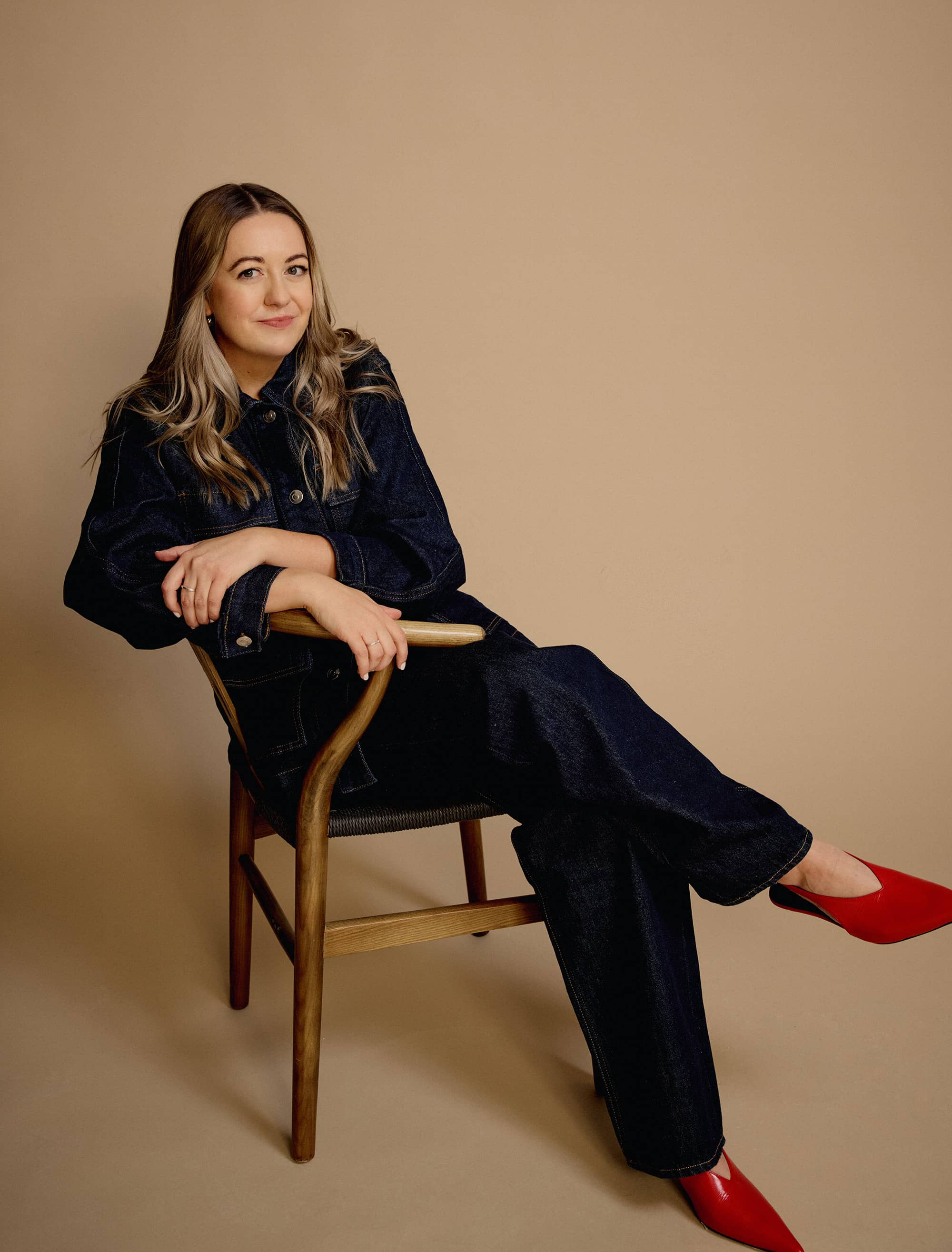
Franky Rousell, Founder and CEO of Jolie Studio
Franky Rousell: Jolie Studio
Jolie is an international interior design practice with a focus on elevated development projects, founded by Franky Rousell. Their multisensory approach blends learnings from the hard and soft sciences into immersive, holistic schemes, which tangibly influence user experience.
You speak about environments triggering emotional recollection almost unconsciously. How has your collaboration with neuroscientists changed the way you think about art, memory, and spatial storytelling?
Working with neuroscientists has fundamentally reframed how I think about design, not as something people simply look at, but something their nervous system responds to before conscious thought takes over. We now understand that emotion is processed faster than logic, and that memory is often formed through sensory association rather than narrative.
Science also tells us that engaging with art can physically slow the body down - lowering heart rate and reducing cortisol levels and offering a rare, mindful moment where people can pause and lose themselves in a piece. In increasingly high-stimulus environments, that moment of absorption is incredibly powerful.
This has shifted how we approach art within our spaces. Rather than treating it as a visual accessory, we see it as a sensory and emotional anchor. Art adds texture, imperfection, and humanity and a tangible reminder that something has been made by another person, carrying intention, craft, and story. That emotional connection between viewer and artist creates a sense of authenticity that can’t be replicated through finishes alone.
When selected carefully, art becomes part of the spatial storytelling rather than an overlay. It deepens atmosphere, reinforces emotional tone, and supports the subconscious experience we’re trying to create - not by shouting for attention, but by quietly inviting people to feel, remember, and connect.
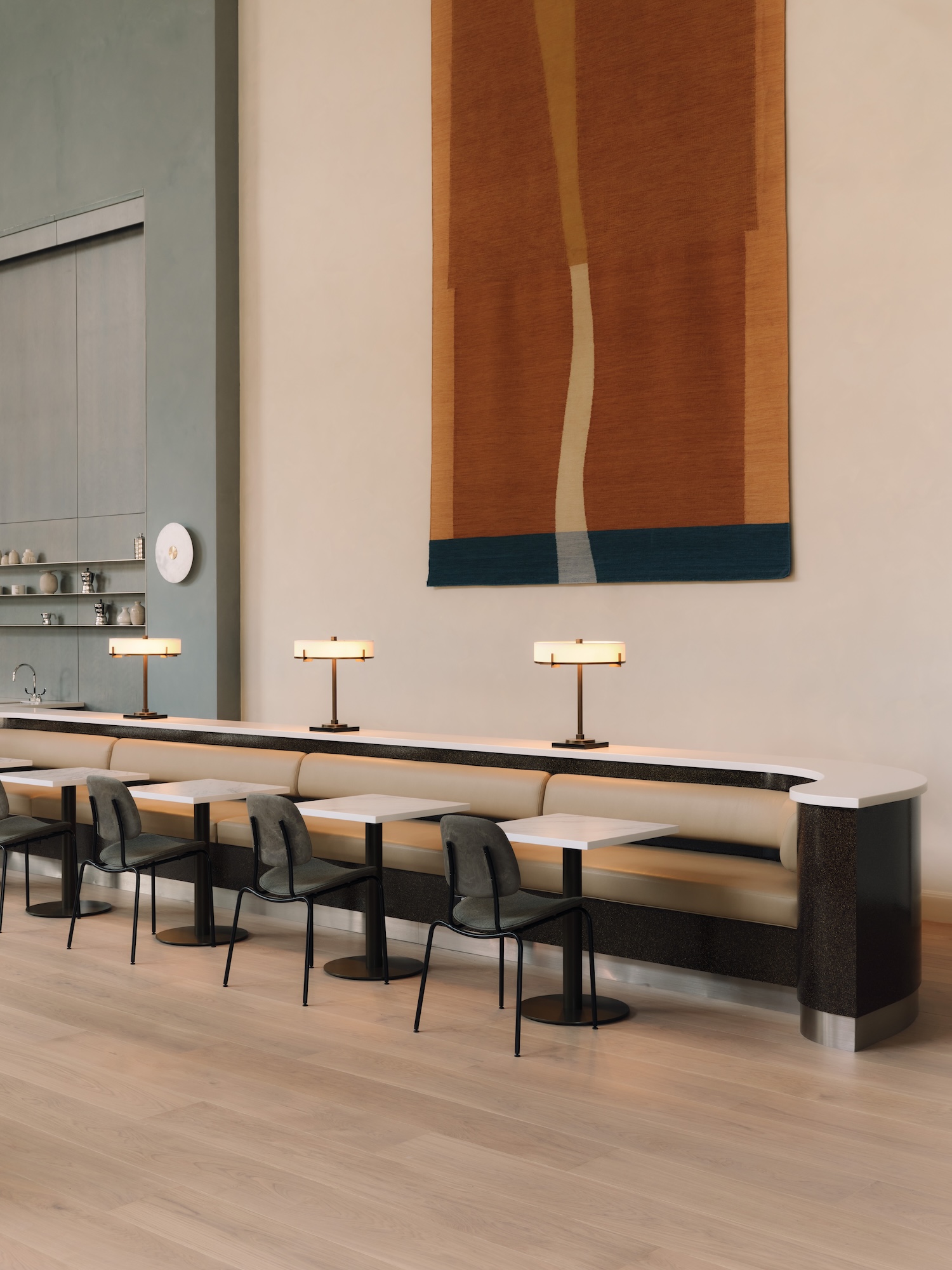
2300 Market Street, Philadelphia (Photographer: Alica Gao)
Sight often dominates design conversations. How do you ensure that sound, scent, texture, and even taste are given equal conceptual weight within a project?
We deliberately de-prioritise sight at the beginning of the process. Early conversations rarely involve visuals at all. Instead, we talk about atmosphere, memory, pace, and comfort - things that are felt rather than seen.
Sound, for example, is often the difference between a space people pass through and one they choose to dwell in. We think carefully about acoustic softness, background hum, moments of quiet, and how noise changes throughout the day. Texture is equally powerful and the way a surface feels under your hand or foot can ground you in a space far more effectively than a visual statement.
Scent is treated as architectural, not ornamental. Used subtly, it anchors memory and emotion without demanding attention. Even taste comes into play in hospitality settings - how materials interact with food and drink, how environments affect perception.
By embedding these considerations from the outset rather than layering them on later the senses naturally work together. No single sense is shouting; they’re in quiet conversation.
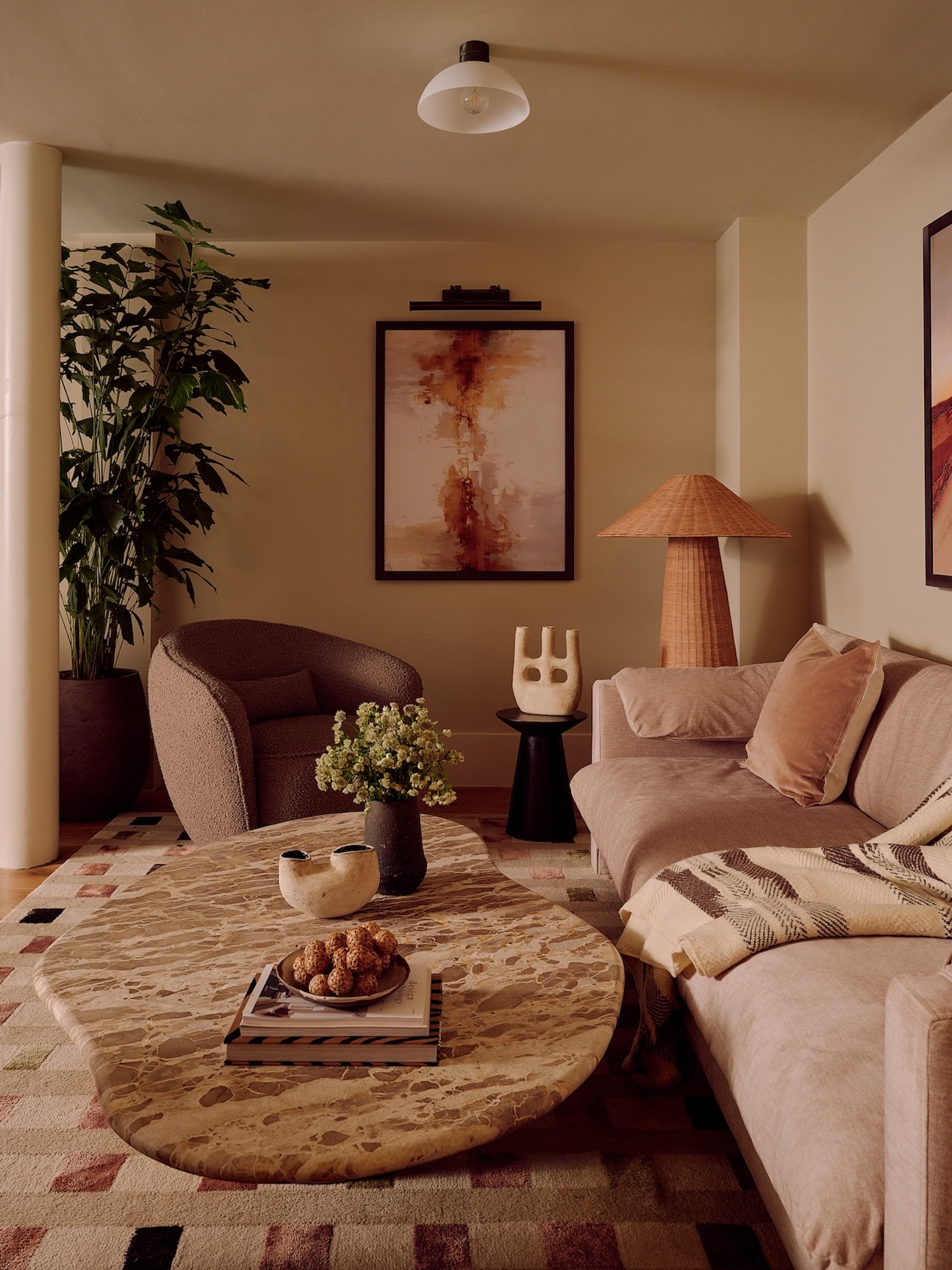
The Reserve, Chester Zoo (Photographer: Jasper Fry)
Much of your work centres on activating all five senses. How do you begin translating something as abstract as emotion into tangible sensory elements like material, sound, or fragrance?
I always start with the emotional outcome, not the aesthetic one. Before we talk about materials or layouts, we ask: how should this space make someone feel within the first few seconds, and how do we want that feeling to evolve over time? Emotion becomes our brief.
From there, we translate that feeling into sensory cues that the body understands instinctively. Warmth might become a certain timber grain, a softer acoustic environment, a colour on the wall or a scent that sits subtly in the background rather than projecting loudly. A sense of calm might be reinforced through rhythm, repetition in materiality, slower transitions between spaces, or muted tonal palettes that reduce cognitive load. But of course it’s not always about calm, we can also motive, inspire and energise through this approach.
What’s important is that nothing is decorative for decoration’s sake. Each sensory decision is intentional and essential. When design is reduced to what truly matters, emotion becomes tangible and you don’t have to explain it, people simply feel it.
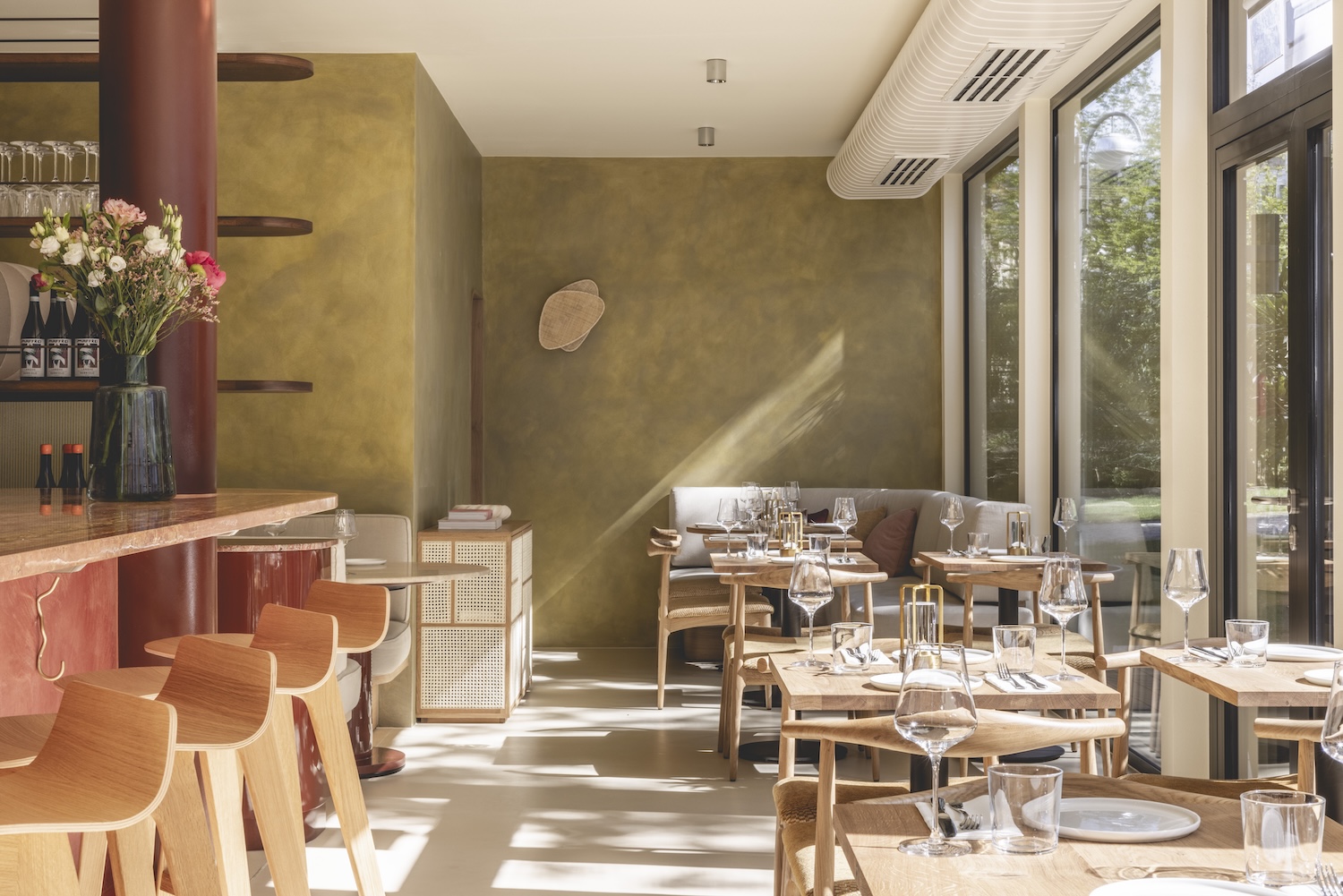
The Nest, Frankfurt (Photographer: Billy Bolton)
Artwork Selection
Curator's pick
Subject, Object by Rachel Mercer
“I love this piece for its impressionistic style - the visible brushstrokes create a strong sense of craftsmanship and human connection. The subject, a baby, is beautifully contrasted by the subtle inclusion of modern details like shoes and jeans in the corner, offering a more contemporary take on motherhood. I find that balance especially compelling, as it’s rendered in a traditional late 1800s Impressionist style."
– Franky Rousell
Related Collections
The return of Craft
Calming Art
Find art you connect with
Book a complimentary advisory session or continue exploring an ever-evolving catalogue of work on Rise Art.
Book a consultation Browse on my own