%20--%3e%3csvg%20version='1.1'%20id='Layer_1'%20xmlns='http://www.w3.org/2000/svg'%20xmlns:xlink='http://www.w3.org/1999/xlink'%20x='0px'%20y='0px'%20viewBox='0%200%201440%20384.8'%20style='enable-background:new%200%200%201440%20384.8;'%20xml:space='preserve'%3e%3cstyle%20type='text/css'%3e%20.st0{fill:%23010101;}%20%3c/style%3e%3cg%3e%3cpath%20class='st0'%20d='M156.5,162.6c0,32.3-14.1,52.7-42.3,61.1l51.3,71.2h-42.1L76.6,229H33.1v65.9H0v-196h72.9%20c29.9,0,51.3,5,64.2,15.1C150,124.2,156.5,140.3,156.5,162.6z%20M112.5,190.3c6.7-5.8,10.1-15.1,10.1-27.9c0-12.8-3.5-21.6-10.4-26.4%20c-6.9-4.8-19.3-7.2-37-7.2H33.1V199h41.2C93,199,105.7,196.1,112.5,190.3z'/%3e%3cpath%20class='st0'%20d='M407.1,124.7c-9.6,0-17.5,2-23.7,5.9c-6.2,3.9-9.3,9.9-9.3,17.8c0,7.9,3.1,14,9.3,18.2%20c6.2,4.2,19.3,8.7,39.4,13.6c20.1,4.9,35.2,11.7,45.4,20.5c10.2,8.8,15.3,21.7,15.3,38.8c0,17.1-6.5,31-19.3,41.6%20c-12.9,10.7-29.8,16-50.8,16c-30.7,0-57.9-10.6-81.6-31.7l20.8-25c19.8,17.2,40.4,25.8,61.7,25.8c10.7,0,19.1-2.3,25.4-6.9%20c6.3-4.6,9.4-10.7,9.4-18.2c0-7.6-2.9-13.5-8.8-17.7c-5.9-4.2-16-8-30.4-11.5c-14.4-3.5-25.3-6.6-32.8-9.5%20c-7.5-2.9-14.1-6.7-19.9-11.4c-11.6-8.8-17.4-22.2-17.4-40.4s6.6-32.1,19.8-41.9c13.2-9.8,29.5-14.7,48.9-14.7%20c12.5,0,25,2.1,37.3,6.2c12.3,4.1,23,9.9,32,17.4l-17.7,25c-5.8-5.2-13.7-9.5-23.6-12.9C426.5,126.4,416.7,124.7,407.1,124.7z'/%3e%3cpath%20class='st0'%20d='M690.2,98.9V130H585.6v51.9h93.9v29.4h-93.9v52.4h108v31.1H552.5v-196H690.2z'/%3e%3cg%3e%3cpath%20class='st0'%20d='M868.7,250.3l-19.6,44.6h-35.3l86.4-196h35.3l86.4,196h-35.3l-19.6-44.6H868.7z%20M953.4,219.8L917.8,139%20l-35.6,80.8H953.4z'/%3e%3cpath%20class='st0'%20d='M1233.6,162.6c0,32.3-14.1,52.7-42.3,61.1l51.3,71.2h-42.1l-46.8-65.9h-43.5v65.9h-33.1v-196h72.9%20c29.9,0,51.3,5,64.2,15.1C1227.1,124.2,1233.6,140.3,1233.6,162.6z%20M1189.6,190.3c6.7-5.8,10.1-15.1,10.1-27.9%20c0-12.8-3.5-21.6-10.4-26.4c-6.9-4.8-19.3-7.2-37-7.2h-42.1V199h41.2C1170.1,199,1182.8,196.1,1189.6,190.3z'/%3e%3cpath%20class='st0'%20d='M1380.5,129.2v165.7h-33.1V129.2H1288V98.9h152v30.3H1380.5z'/%3e%3c/g%3e%3cg%3e%3crect%20x='234.9'%20y='0'%20class='st0'%20width='29.1'%20height='384.8'/%3e%3c/g%3e%3c/g%3e%3c/svg%3e)
Considered Spaces by Daytrip Studio | Rise Art
Considered Spaces
The value of art for curators, writers, designers, and collectors in their most meaningful spaces.
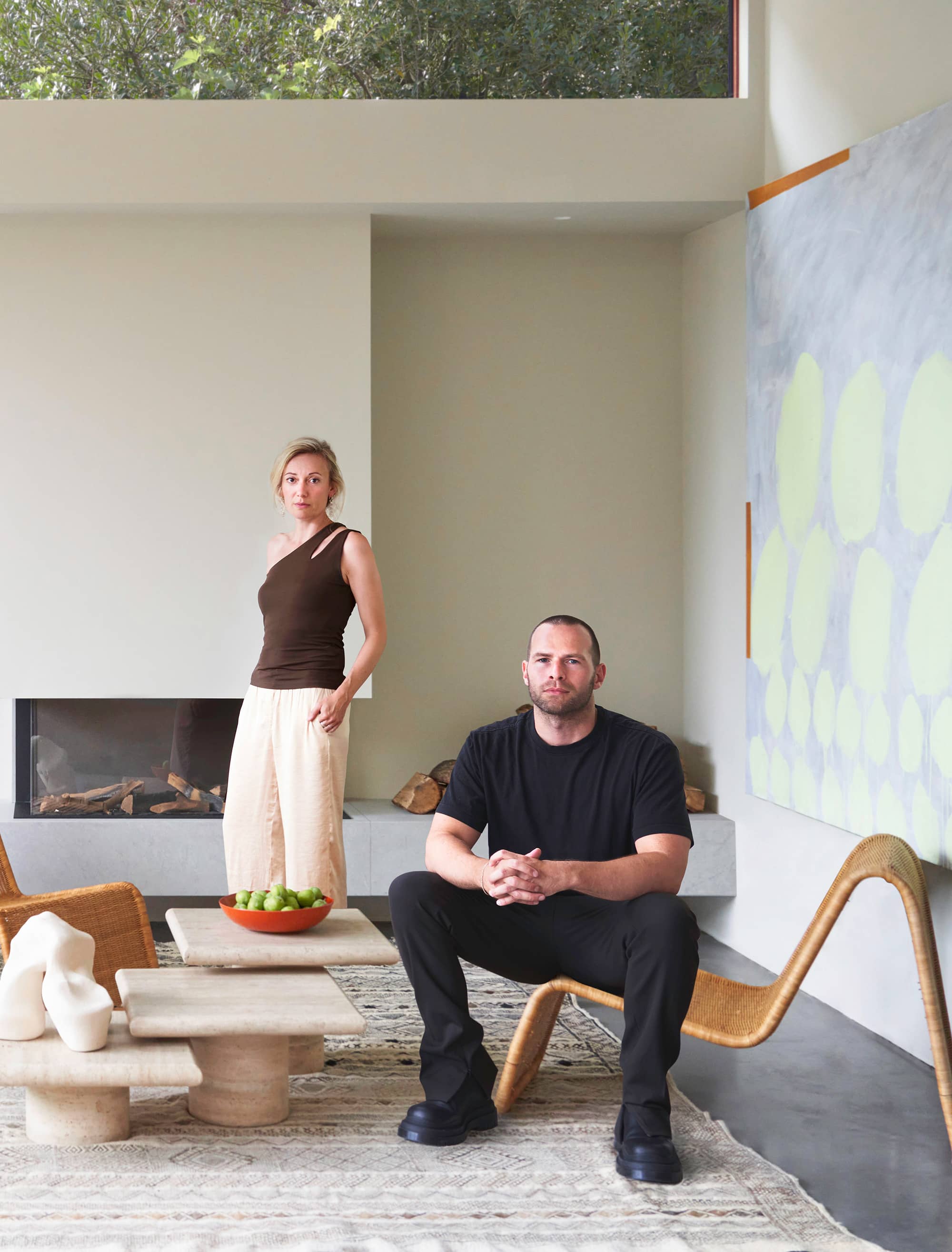
Iwan Halstead & Emily Potter: Daytrip Studio
Daytrip is a design studio helmed by Emily Potter and Iwan Halstead that moves between the poetics of structure and the lived experience of interior design. Since its founding in 2017, the practice has cultivated a contemporary approach to spatial narrative: each commission attuned to the grain of existing fabric, attentive to material logic, and shaped by an instinct for texture, proportion and atmosphere.
How do you see the relationship between interior architecture and storytelling? And where does art fit into that narrative structure?
Iwan: For us, interior architecture is less about imposing a fixed narrative and more about establishing a clear tone and point of view. It is our role as designers to respond carefully to a space, its location, and its inherent character, and from that to shape a form of storytelling that feels intuitive rather than prescribed. Just as importantly, that point of view must speak to the client or the brand it represents.
In many of our residential projects, clients are longing for a home as a sanctuary, a place of calm, contemplation, and retreat from the intensity of everyday life. Moments of pause are essential in our day-to-day lives, and art can play a powerful role in supporting this atmosphere. There are many artworks that imbue a sense of stillness and quiet presence, qualities that sit naturally within a private home and subtly enhance how a space is experienced.
Emily: We do enjoy storytelling through design. I like to think of our interiors as quietly powerful, not immediately imposing but layered with interest that is expressive but not overworked. I have similar feelings about art, especially if you are living with a piece you want it to offer a longer lasting experience.
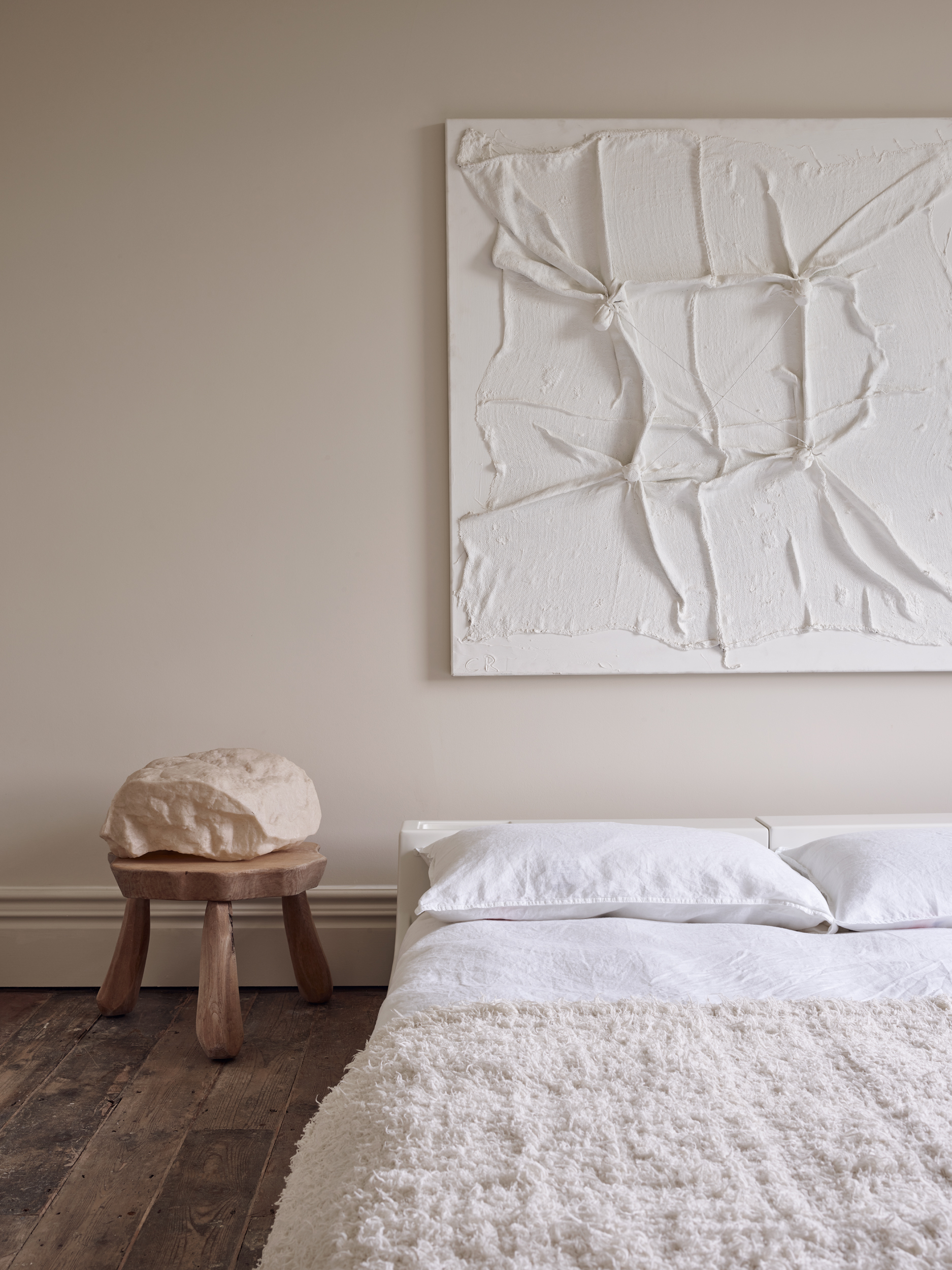
Can you describe a project where an artist’s contribution fundamentally shifted the concept or experience of a space?
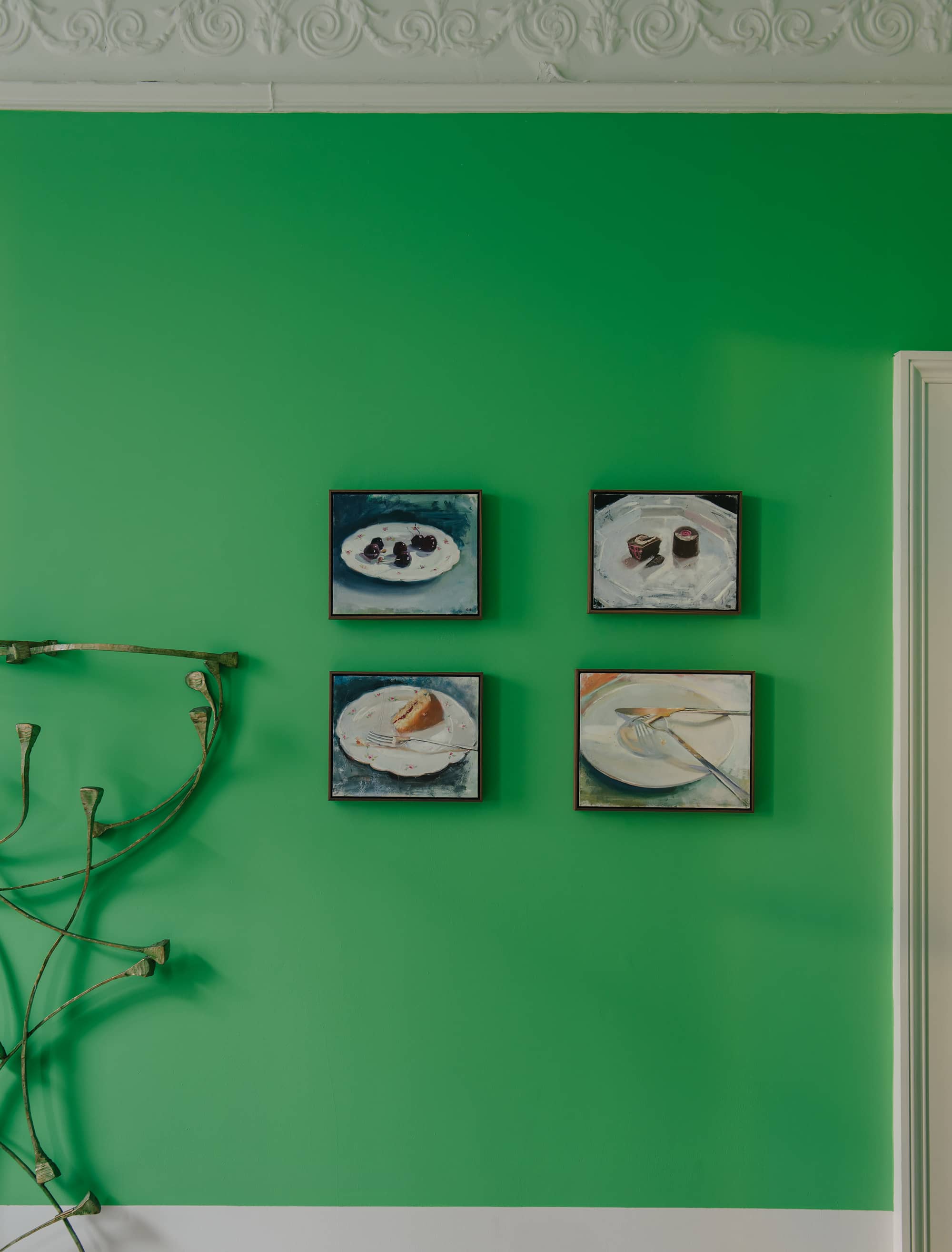
Iwan: For example, in The Lavery Private Dining Room we placed four oil paintings by Rosemary Burn, each depicting still-life scenes of dining ephemera, including empty plates and cutlery. The stillness and restraint of the paintings introduce a moment of pause and quiet focus within an otherwise celebratory and festive dining space. We contrasted these works with a vibrant primary red metal sculpture by Gareth Griffiths. Its abstract, organic forms play with ideas of hard and soft, amplified by the bold and energetic use of colour. The sculpture introduces a distinctly different tone to Burn’s paintings, and it is this contrast and conversation between works that we actively enjoy and seek to cultivate within our interiors.
At other times, the brief calls for something more energetic or playful. Certain clients are drawn to art with vivid colour or expressive sensibilities that suggest energy, motivation, or drama. Every client brings their own perspective and relationship to art, and these preferences can fundamentally shape an interior. In this way, art helps define not just how a space looks, but how it feels to inhabit.
How do you think materiality functions in your work as an artistic medium in its own right?
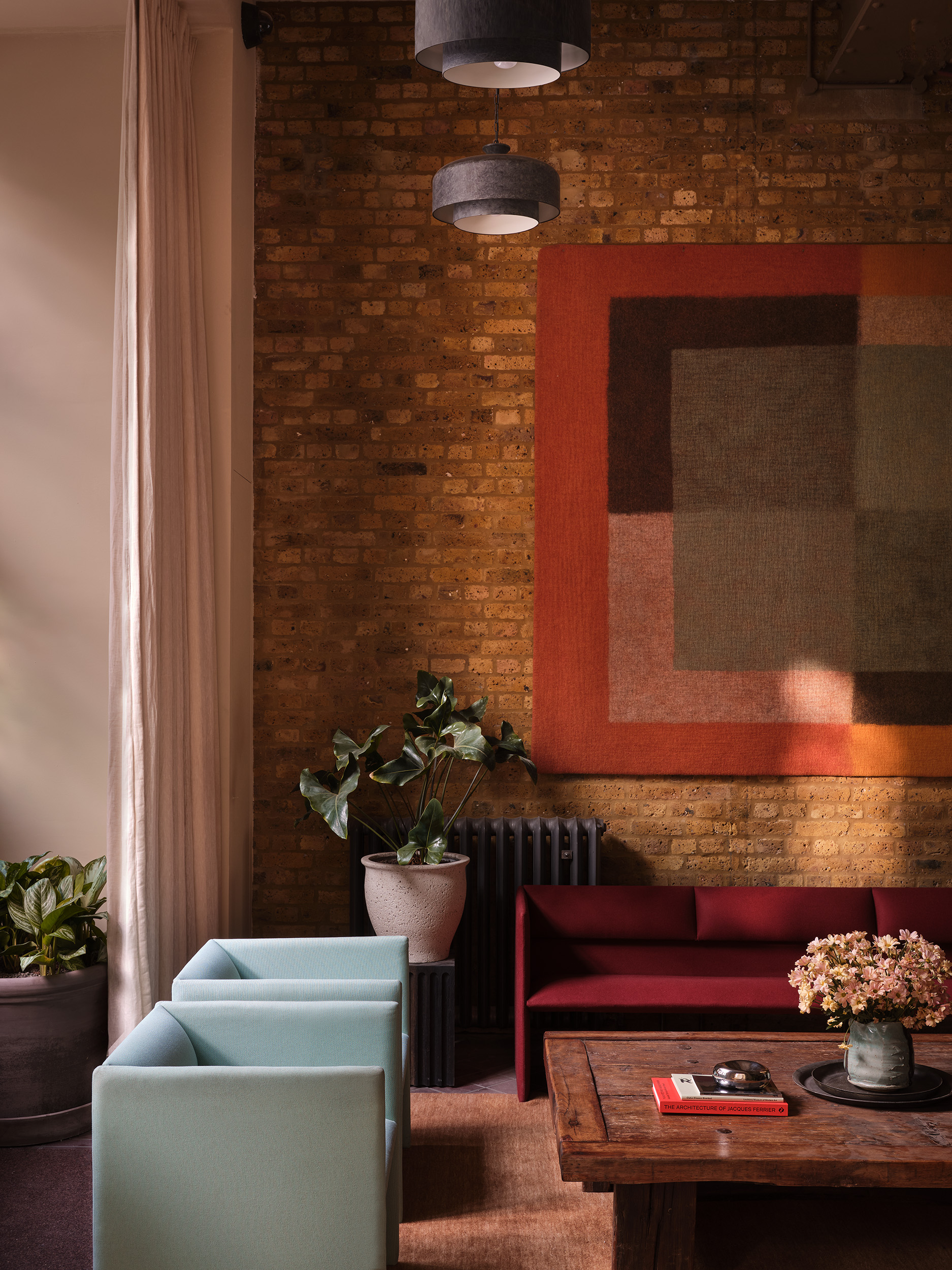
Iwan: Materials carry emotional weight. They hold memory, show age, reflect light, absorb sound, and evoke a sense of nostalgia. We are drawn to materials that reveal their texture over time, rather than those that feel overly processed or static. Natural variation, patina, and tactility allow a space to evolve, to be lived in, and to feel grounded.
Light plays an equally important role. Many of our interiors allow for unplanned moments where light grazes a surface, creates shadow, or dances across materials throughout the day, giving spaces a sense of movement and depth.
Rather than using materials as decoration, we use them to establish mood and continuity, often limiting the palette so that subtle shifts in tone, texture, and finish become more legible. In this way, materiality becomes a quiet but powerful form of expression, operating on a sensory level and contributing to the emotional life of a space in much the same way an artwork does.
Emily: Materials and craftsmanship are the link between a vision and its execution. They turn an idea into reality and give it substance. The qualities of materials and how they are treated is what brings the lasting value to any design so we cherish our network of makers, artisans and suppliers who support and guide us in our efforts to create standout designs.
Collectors often speak about art evoking emotional responses. How do you design spaces that evoke specific emotional or sensory experiences akin to experiencing a powerful artwork?
Iwan: Our aim is to create interiors that are felt as much as they are seen, leaving a lasting emotional impression through atmosphere, memory, and lived experience rather than visual excess. I am often drawn to spaces that evoke a powerful sense of peace or a visceral uplift, whether through their location, their relationship to time, or the way materiality and light engage the senses.
Emily: We are always seeking this emotional or sensorial response to our work, most importantly the vision needs to be rooted rather than reactive. The design industry cycles through aesthetic trends and the result dilutes the experience. Much like art, if it feels truthful and real then it is relatable and inspiring.

Your projects often reference historical contexts or eras (e.g., mid-century, architectural heritage). How do you balance nostalgia and contemporary expression without tipping into pastiche or mere decoration?
Iwan: We try not to replicate historical references, but to reinterpret them. Every designer is influenced by other architects, designers, and artists, and while images and visual references are easily accessible and often easily replicated, reinterpretation requires a more considered response. It asks for contemporary thinking: new materials, different processes, fresh contrasts, and alternative perspectives.
This approach allows historical influence to inform a project without becoming literal or nostalgic. By abstracting references rather than copying them, we move away from pastiche and towards something that feels relevant and new.
In an age saturated with imagery through social media and the internet, we have become increasingly appreciative of what can only be experienced in real life: tactility, material honesty, and the subtlety of considered construction and detailing. These qualities ground our work, allowing it to feel rooted and enduring, rather than decorative or referential.
Emily: It is inevitable that we draw from the past, referencing is a way to communicate and we do like the emotions and mood that come with nostalgia. But we also reference sideways, we look at other creative industries like art, fashion, music, food, travel. There are so many influences available, the skill is in selecting an edit and mixing them together in new and exciting ways.
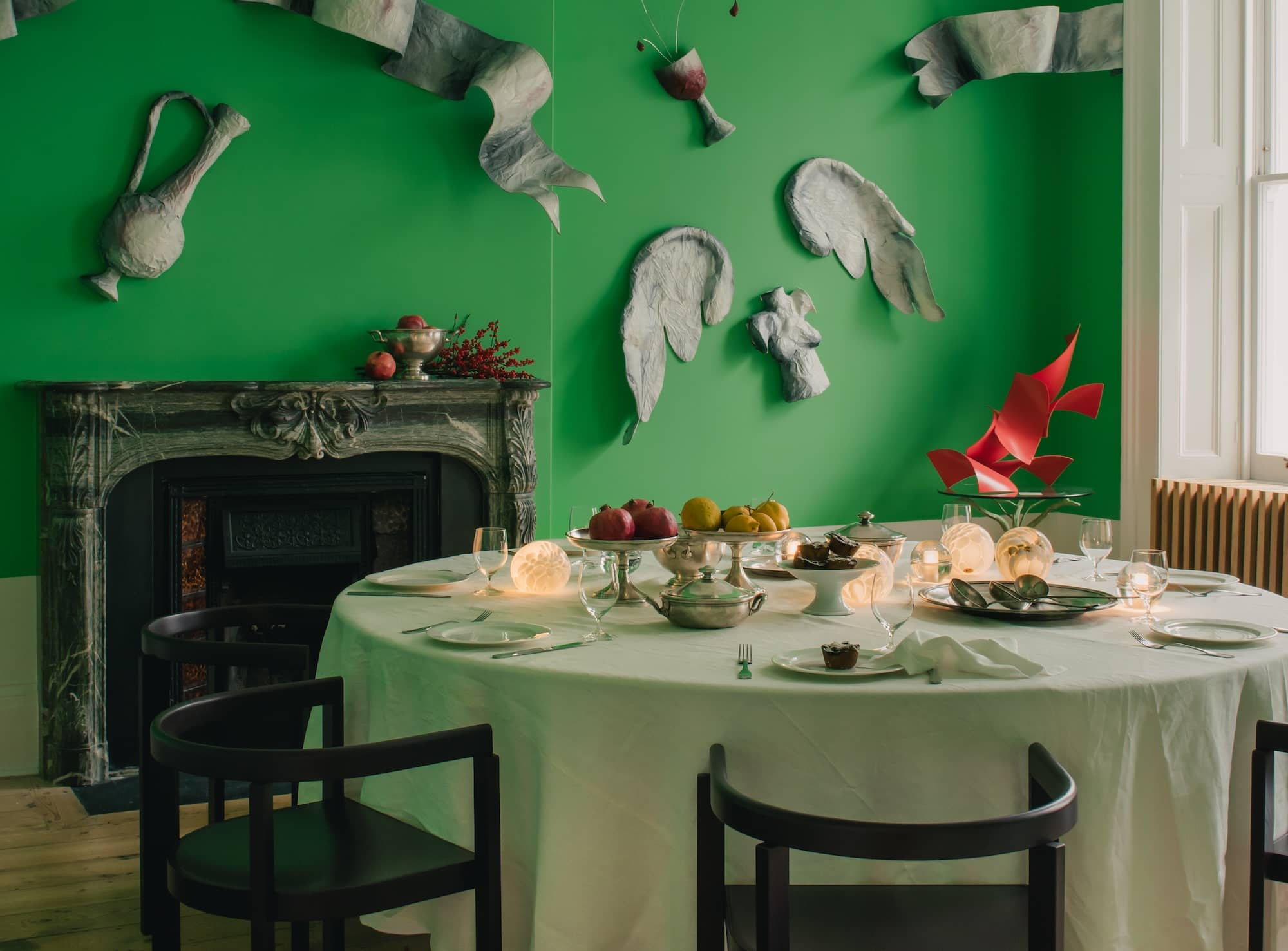
With the increasing overlap between art, design, and lifestyle, do you believe the modern home should function as a generative space for everyday creativity and reflection? How does this belief shape your interior interventions?
Iwan: Our interiors are often deliberately minimal and restrained, allowing space for personal expression to evolve. By focusing on light, materiality, and proportion, we create calm, flexible environments that invite users to inhabit them in their own way, layering meaning and creativity through lived experience.
Emily: Our residential clients are often creative in their own field, the homes we create with them will be a reflection of their tastes and sensibilities and every project is uniquely shaped by the lifestyle and rituals of their lives. This said, our interventions do tend to focus on key factors that are universally desired - connections with the world around, drawing in and playing with natural light and clever solutions for daily activities.
How do you see the imprint of contemporary art evolving within the practice of interior architecture and design?
Iwan: Contemporary art is becoming less of a decorative layer within interiors and more of an active influence on how spaces are conceived. Rather than being something applied at the end, it increasingly shapes atmosphere, scale, material choices, and even how spaces are used and inhabited.

artwork selection
Curator's pick
Eve - Collection Signature by Camille Royer
“I love this abstract bronze by Camille Royer, it feels full of bright energy and playful movement and yet the material brings a weightiness. Polished bronze has a beautiful, warm tone. If I were to own this piece, I would enjoy the caretaking role of buffing and polishing it. And I’d pair it with a plinth that feels more grounded by contrast.”
– Emily Potter
DISCOVER ART YOU LOVE
Continue exploring an ever-evolving catalogue of work on Rise Art, or speak with a curator for more guidance.
Find out more about our complimentary advisory services